The Accidental Archive
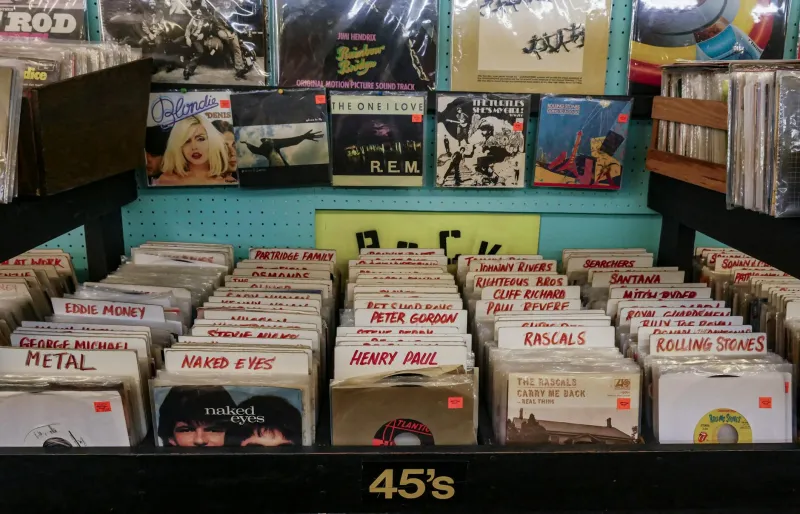
Forget the National Sound Archive or the British Library's music collection. Britain's most fascinating repository of sonic oddities exists in plain sight, scattered across thousands of charity shops from Penzance to Paisley. Between the dog-eared copies of 'Now That's What I Call Music 17' and charity single donations lurk the genuine treasures – the weird, the wonderful, and the utterly barmy records that somehow found their way into the nation's collective unconscious.
These aren't your typical charity shop finds. We're talking about the genuinely mental stuff: local band pressings from 1970s Rotherham, novelty singles about Yorkshire puddings, and regional folk albums that sound like they were recorded in someone's shed (because they probably were). What makes these discoveries particularly brilliant is that nobody – not the artists, not the labels, certainly not the charity shop volunteers – had any idea they'd one day become cult classics.
The Cult of the Crap
Take 'Motorway Madness' by The Grimsby Groove Machine, a 1978 pressing that originally sold about twelve copies at local gigs. Fast-forward to 2019, and original copies are changing hands for £300 on Discogs. The band – three blokes who worked at the local fish processing plant – recorded their ode to the newly opened M180 in a mate's garage using borrowed equipment and sheer bloody-minded enthusiasm.
"We thought we were the next Led Zeppelin," admits former bassist Malcolm Thistlebottom, now a retired accountant. "Turns out we were more like the first Grimsby Groove Machine, which apparently means something to people with too much time and money on their hands."
The record's journey from bargain bin to cult status perfectly illustrates how charity shop discoveries work. A crate-digging DJ found it in a Barnsley Oxfam in 2015, sampled the bonkers synthesiser breakdown for a house track, and suddenly everyone wanted a piece of Grimsby's finest motorway-themed prog-funk.
The Novelty Gold Rush
Britain's charity shops are particularly rich in novelty records – those bizarre one-offs that seemed like a good idea after a few pints. The 'Baked Bean Boogie' by Heinz Henderson (real name: Derek Wigglesworth from Wigan) started life as a promotional stunt for a local supermarket opening. Fifty years later, it's become an unlikely anthem for the weird music community, with original pressings fetching serious money.
What makes these records special isn't just their rarity – it's their complete lack of pretension. These weren't artists trying to change the world or make profound statements about the human condition. They were having a laugh, celebrating the mundane, and accidentally creating something genuinely unique in the process.
The Digital Underground
The internet has transformed charity shop record hunting from a solitary pursuit into a global phenomenon. Facebook groups like 'Weird Vinyl UK' and 'Charity Shop Gems' have created communities around these discoveries, with members sharing photos of their finds and researching the stories behind obscure releases.
"There's something magical about finding a record that nobody else has heard," explains Sarah Mitchell, admin of the 'Bizarre British Pressings' Facebook group. "These charity shop finds represent this completely unfiltered snapshot of British musical culture – the stuff that was too weird, too local, or too mental for proper distribution."
The community aspect has been crucial in elevating these records from curiosities to cult classics. When someone discovers a mad pressing about morris dancing or a concept album about roundabouts, the collective investigation begins. Who were these people? Where did they record it? Are there more copies out there?
Regional Rarities
Some of the best charity shop finds celebrate Britain's regional peculiarities with an enthusiasm that borders on the deranged. 'Ode to the Orbital' by M25 Maniacs captured the zeitgeist of 1980s road rage with surprising musical sophistication. Meanwhile, 'Blackpool Rock (The Musical)' remains one of the most bewildering concept albums ever committed to vinyl – a psychedelic journey through seaside stereotypes that somehow works despite itself.
These regional records often reveal fascinating glimpses into local music scenes that existed completely outside the mainstream. The 'Stoke-on-Trent Soul Collective' produced a handful of releases in the late 1970s that blend Motown influences with distinctly Potteries sensibilities. Original pressings now command three-figure sums among collectors who appreciate their unique take on Northern Soul.
The Future of Forgotten Music
As vinyl continues its unlikely renaissance, charity shops remain crucial hunting grounds for the genuinely unusual. While major labels reissue the same classic albums ad nauseam, the real discoveries are still waiting in dusty charity shop bins across Britain.
The beauty of charity shop record hunting is its democratic nature. You don't need insider knowledge or industry connections – just patience, curiosity, and a willingness to embrace the absolutely mental. In a music industry increasingly dominated by algorithms and focus groups, these accidental archives represent something genuinely precious: the sound of people making music for the sheer joy of it, without any expectation of fame or fortune.
So next time you're browsing the vinyl section at your local British Heart Foundation, remember – you might just be holding tomorrow's cult classic in your hands. After all, today's charity shop curiosity could be next year's Discogs goldmine.