Pavement Prophets: The Street Corner Visionaries Who Rewrote the Rules
The Cathedral of Concrete
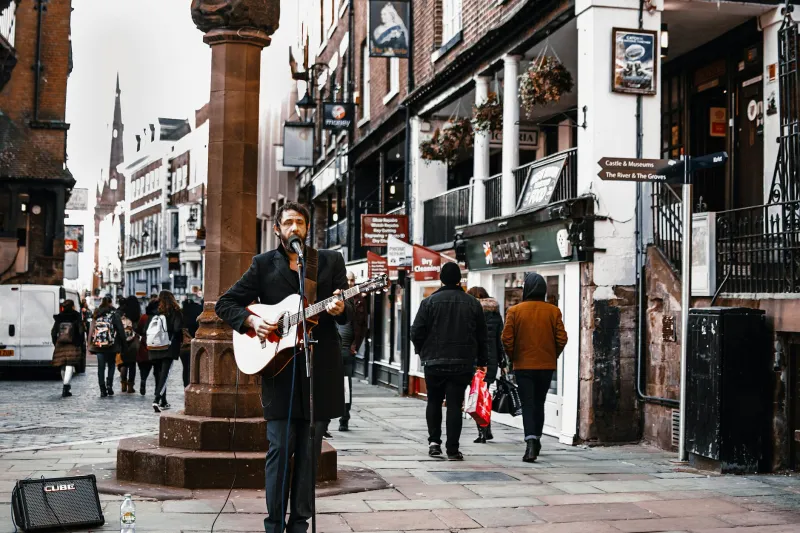
Forget the Roundhouse, sod the O2 — Britain's most important music venue has always been the street itself. Every high street, every tube station underpass, every wind-battered seafront promenade has served as an audition space for the country's most uncompromising musical visionaries. And some of them, against all odds and industry logic, have refused to stay underground.
The pavement doesn't lie. Strip away the smoke machines, the sound engineers, the carefully curated lighting rigs, and you're left with just the music and the crowd's honest reaction. It's democracy in its purest form — people vote with their feet and their loose change, and there's no A&R executive in the world who can argue with a hat full of coins.
The Wolverhampton Wizard
Take Marcus Fjellström (not his real name — he's actually called Dave and works part-time at Wickes), who spent three years performing outside the Wolverhampton Poundland with an instrument he'd cobbled together from shopping trolley wheels, washing machine drums, and approximately fourteen kazoos. His "Retail Therapy Symphony" — a forty-minute composition that incorporated the beeping of card readers and the ambient chatter of disappointed shoppers — started as street performance art and ended up being commissioned by the Birmingham Contemporary Music Group.
Fjellström's journey from high street oddball to respected composer illustrates something profound about British music's relationship with class and space. The establishment might have its conservatoires and its funding bodies, but the street remains gloriously egalitarian. All you need is something to say and the bollocks to say it in public.
Edinburgh's Endurance Artists
The Edinburgh Fringe has always been a magnet for performers pushing boundaries, but it's the unofficial Fringe — the buskers working the Royal Mile throughout August — where the real experiments happen. Here, freed from venue hire costs and programming committees, artists can attempt the genuinely impossible.
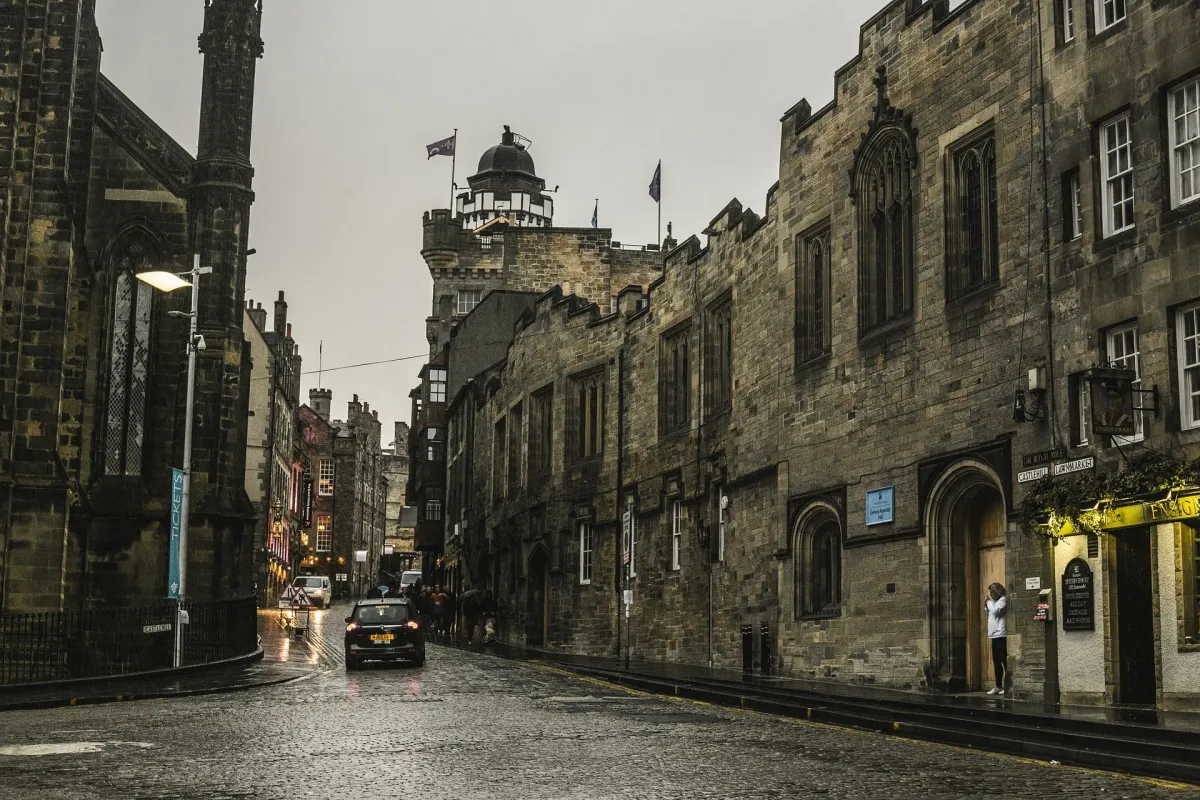 Photo: Royal Mile, via images.squarespace-cdn.com
Witness the legend of Sarah McKenzie, who spent August 2018 performing a different fourteen-minute drone piece every day outside the Deacon's House Café. Using nothing but a modified accordion and a contact microphone attached to the cobblestones, she created soundscapes that incorporated the footsteps of passing tourists, the rumble of tour buses, and the distant skirl of competing bagpipers.
By the festival's end, she'd attracted a devoted following of experimental music enthusiasts who would plan their daily routes around her performances. More importantly, she'd caught the attention of Touch Records, who released her "Royal Mile Drones" as a limited-edition vinyl that sold out within hours.
The Economics of Authenticity
There's something beautifully honest about busking economics. No one's throwing money into your guitar case because they're trying to impress their mates or because they've been told you're the next big thing. They're paying because something about your music has stopped them in their tracks, made them forget about their shopping list or their train timetable.
This direct relationship between artist and audience creates a feedback loop that major labels spend millions trying to replicate. When Eliza Carthy started out busking traditional folk songs on the London Underground, she learned more about crowd dynamics and song selection in six months than most artists discover in years of managed gigs.
The street teaches you efficiency too. You've got maybe thirty seconds to grab someone's attention before they disappear into the crowd forever. This constraint has produced some of the most immediate, hook-laden music in British culture — songs that work whether you're hearing them through headphones or catching fragments as you rush for the 42 bus.
Technology Meets Tradition
Modern buskers aren't just carrying on ancient traditions — they're pioneering new ones. Loop stations have revolutionised street performance, allowing solo artists to build entire orchestras in real-time. Meanwhile, social media has created new pathways from pavement to prominence that bypass traditional industry gatekeepers entirely.
Consider the phenomenon of Dub FX, the Australian beatboxer who built a global following through street performances filmed on smartphones and uploaded to YouTube. His technique influenced a generation of British loop artists who realised that the street could be both performance space and recording studio simultaneously.
Similarly, the rise of contactless payments has democratised busking donations. No longer limited by the coins in people's pockets, performers can earn from audiences who would previously have walked past apologetically, patting empty pockets.
Beyond the Underground
The most successful graduate buskers haven't forgotten their pavement education. They've carried its lessons — immediacy, honesty, the importance of connecting with strangers — into larger venues and recording studios. Their music retains that essential quality of street performance: the sense that anything could happen, that you're witnessing something unrepeatable.
When Newton Faulkner plays the Royal Albert Hall, he still incorporates the percussive guitar techniques he developed busking on Brighton seafront. When Kate Tempest performs her spoken word pieces at literature festivals, she draws on the timing and presence she learned commanding attention outside tube stations.
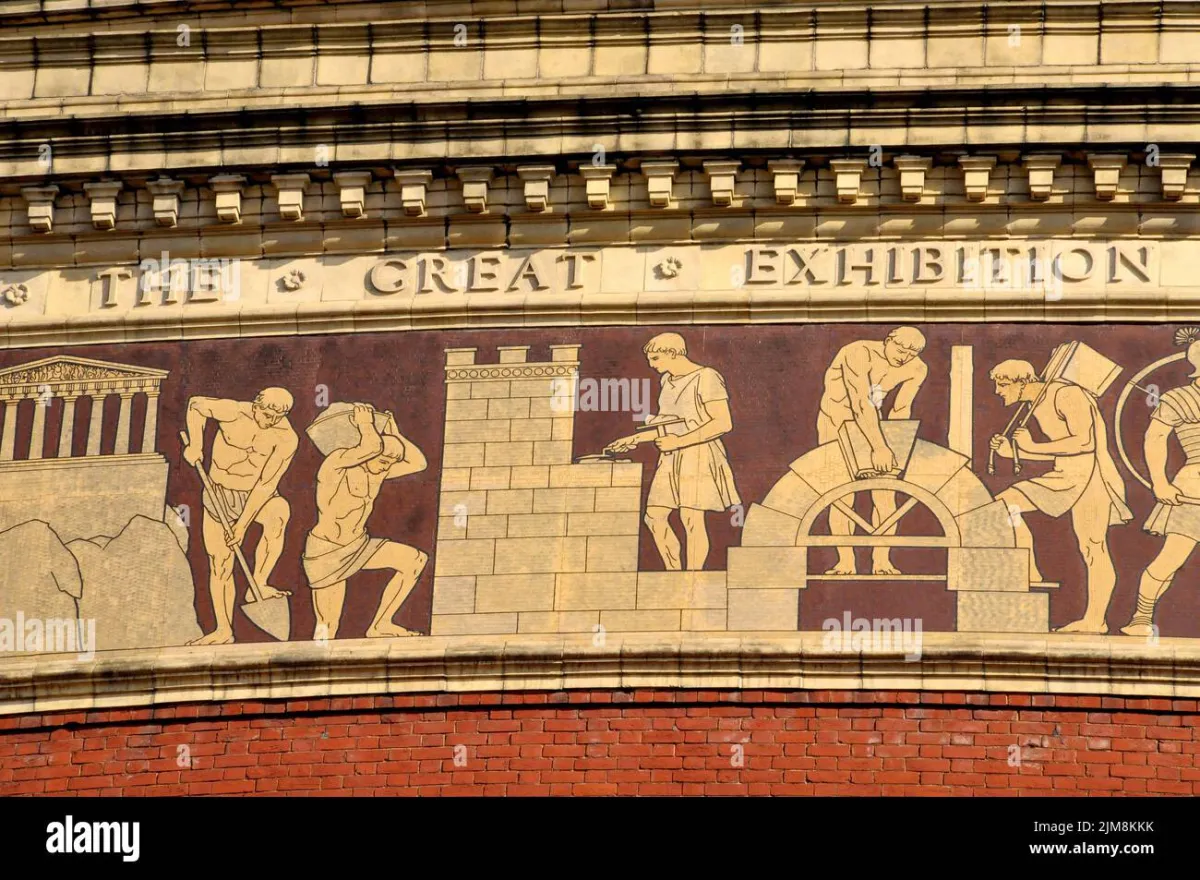 Photo: Royal Albert Hall, via c8.alamy.com
The street, it turns out, is the best music school in the country. No fees, no curriculum, just the brutal honesty of public space and the transformative power of music that refuses to be ignored. Long may our pavement prophets continue to prove that the most vital music happens not in purpose-built venues, but wherever someone decides to plug in their amp and see what happens.