The Rejected and the Glorious
Every Tuesday night at The Lamb & Flag in Camden, something magical happens. Not the kind of magic that gets you signed to major labels or featured on Radio 1. No, this is the grittier variety: the alchemy that transforms public humiliation into artistic gold.
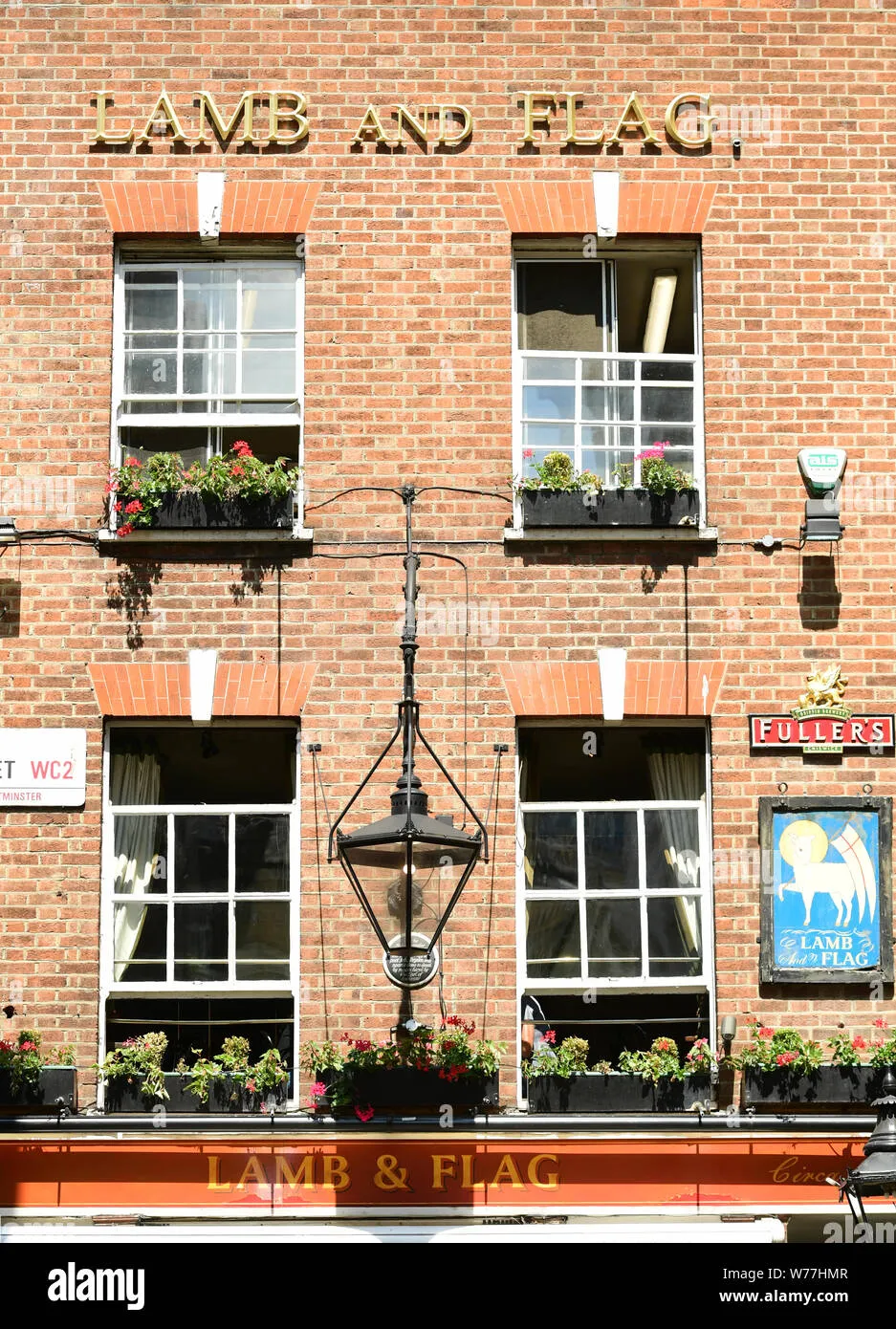 Photo: The Lamb & Flag, via c8.alamy.com
That's where we first encountered Margot Fishwick, a 34-year-old former accountant whose one-woman show involves interpretive dance to self-composed songs about motorway service stations. Three years ago, she was booed off this very stage. Last month, she sold out the Roundhouse.
"The beauty of being absolutely terrible at first is that you've got nowhere to go but up," Fishwick laughs, nursing a pint between sets. "Plus, once you've died on your arse in front of twelve drunk punters in Walthamstow, nothing else really fazes you."
Fishwick represents a peculiarly British phenomenon: the open mic graduate who refused to stay graduated. These are artists who found their calling not despite the rejection, but because of it.
The Grind That Grinds Back
The UK's open mic circuit is notoriously brutal. Every night, in pubs from Penzance to Perth, hopefuls climb onto makeshift stages to face audiences who didn't come for the music. They came for the quiz, the football, or simply to drink in peace.
This environment creates a unique ecosystem. Those who survive learn to read rooms like weather systems, adapting their material to hostile crowds with the skill of seasoned diplomats. More importantly, they develop something that no amount of industry training can provide: absolute fearlessness.
Take Manchester's Jimmy Carburetor, whose aggressive ukulele punk was described by one venue manager as "like being attacked by a very small, very angry person." After eighteen months of weekly rejection across Greater Manchester's finest drinking establishments, Carburetor has built a devoted following of fans who specifically seek out venues where he's been banned.
"I realised I wasn't trying to win over the room anymore," Carburetor explains. "I was trying to find the three people in that room who were as weird as me. Turns out, they exist everywhere."
The Persistence of Peculiarity
What sets these artists apart isn't talent in any conventional sense. It's persistence bordering on obsession, coupled with a willingness to embrace their own strangeness rather than sand it down for mass consumption.
Liverpool's Cosmic Doris began performing at open mics in 2018 with songs performed entirely through a vocoder while dressed as various household appliances. The response was universally negative. Five years later, her "Kitchen Sink Cabaret" tours have become cult events, with fans travelling from across Europe to witness her dishwasher ballads.
"The first rule of open mic survival is accepting that most people won't get it," Doris explains via vocoder, currently configured to sound like a tumble dryer. "The second rule is not caring."
This philosophy has created a parallel music industry operating entirely outside traditional structures. These artists book their own tours, press their own vinyl, and build audiences one converted punter at a time.
The Working Men's Club Revelations
Some of the most unlikely success stories emerge from Britain's working men's clubs, where artists face perhaps the most challenging audiences imaginable. These venues, designed for bingo and cheap lager rather than experimental performance art, have become unexpected laboratories for musical evolution.
Consider the case of Barnsley's Professor Kettlewell, whose elaborate conceptual pieces about Yorkshire mining history were initially met with bewildered silence at the Cudworth Social Club. Rather than retreat, Kettlewell began incorporating elements that resonated with his audience: local references, shared memories, familiar melodies twisted into new shapes.
The result was something unprecedented: avant-garde folk music that spoke directly to post-industrial communities. Kettlewell's album "Pit Songs for the Digital Age" became an unlikely bestseller in South Yorkshire, proving that experimental music and working-class audiences aren't mutually exclusive.
The Network Effect
What's remarkable about this scene is how interconnected it's become. Artists who met through shared rejection now book each other for festivals, collaborate on albums, and create their own alternative industry infrastructure.
The annual "Rejects United" festival, held in a field outside Todmorden, showcases acts specifically chosen for their inability to secure mainstream bookings. Last year's lineup included everything from doom jazz to interpretive mime set to death metal. Attendance has grown from 47 people in 2019 to over 3,000 in 2023.
"We've accidentally created our own ecosystem," explains festival organiser Pete Grimshaw, whose own act involves playing bass guitar with kitchen utensils. "People who were too weird for regular venues suddenly have their own circuit, their own audience, their own economy."
The Economics of Weird
This alternative economy operates on different principles than mainstream music. Success is measured not in chart positions or streaming numbers, but in sold-out shows in increasingly bizarre venues. Artists regularly perform in laundrettes, abandoned churches, and the back rooms of chip shops.
The financial model is refreshingly direct: small venues, cheap tickets, devoted audiences. Many of these artists earn more from their music than they ever did in conventional jobs, despite never troubling the official charts.
Cardiff's The Melancholy Teapots, whose chamber pop is performed entirely on toy instruments, recently calculated that their average gig pays better per hour than most graduate jobs. "We're not rock stars," admits lead Teapot Sarah Williams, "but we're making a living doing exactly what we want. That feels pretty revolutionary."
The Persistence Payoff
What these artists understand is something the mainstream industry often misses: authenticity isn't just a marketing buzzword, it's a survival strategy. In an era of algorithmic playlists and focus-grouped pop, audiences are hungry for something real, even if that reality is deeply strange.
The open mic circuit, with its brutal honesty and unforgiving audiences, creates artists who understand this instinctively. They've learned to connect with people not by giving them what they expect, but by offering something they've never seen before.
"The best compliment I ever received," reflects Margot Fishwick, "was from a bloke at a pub in Rotherham who said, 'I have no idea what that was, but I couldn't look away.' That's when you know you're onto something."
In a music industry obsessed with instant success and viral moments, these artists offer something different: the slow burn of genuine artistry, forged in the fires of public indifference and tempered by relentless persistence. They remind us that sometimes the most powerful music comes not from those who fit in, but from those who refuse to.