The Numbers Station Sessions
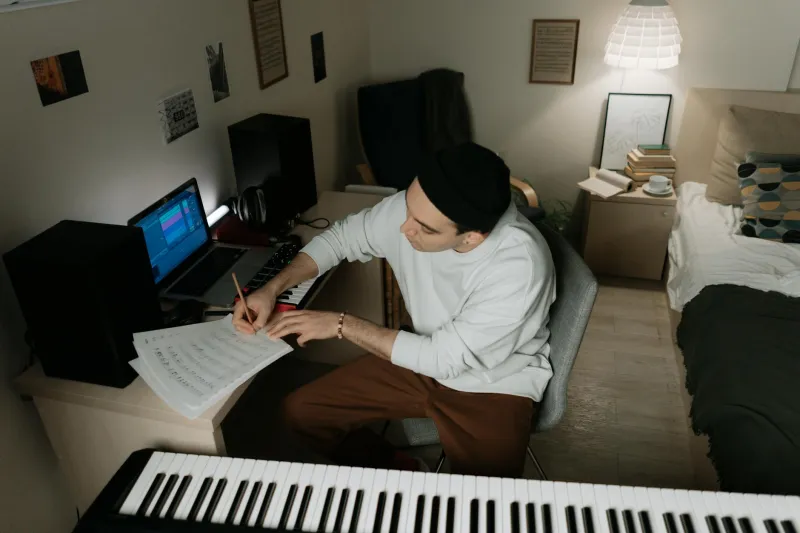
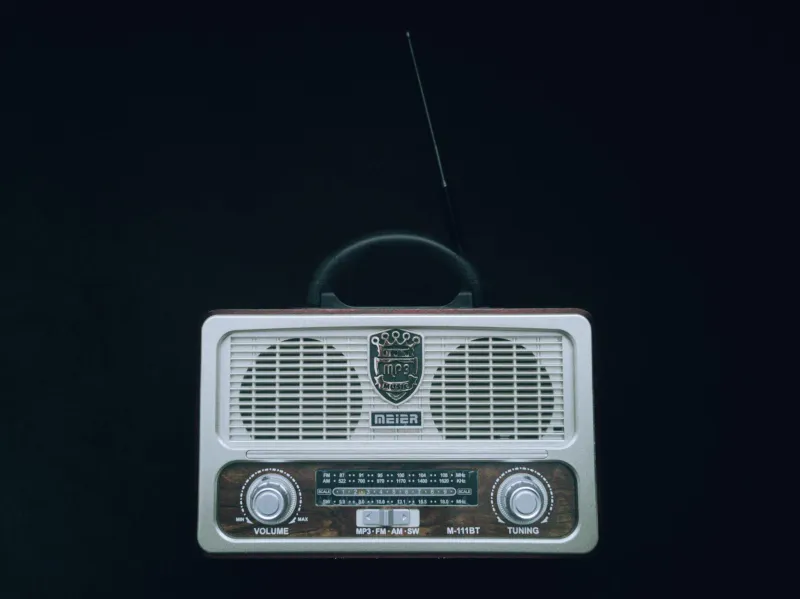
At 3:47 AM on a Tuesday, Marcus Chen sits hunched over a modified Roberts radio in his Easton flat, recording what sounds like absolute bollocks to most ears. But Chen, who performs under the moniker Signal/Noise, knows better. He's capturing something precious: the fevered transmissions of Britain's conspiracy underground, beaming across the frequencies like digital samizdat.
"People think I'm taking the piss," Chen explains, adjusting his aerial towards Mendip Hills. "But there's genuine poetry in paranoia. These voices — they're our modern-day prophets, whether they're right or completely mental."
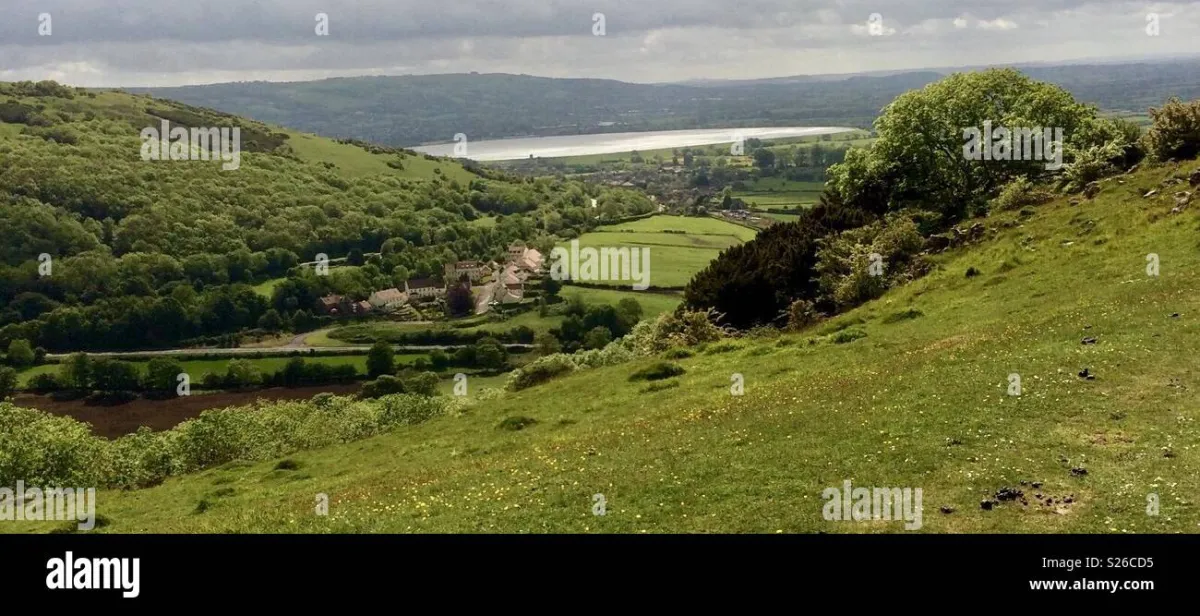 Photo: Mendip Hills, via c8.alamy.com
Chen represents a growing movement of UK artists who've discovered that Britain's fringe radio landscape is an untapped goldmine of sonic material. From numbers stations broadcasting cryptic sequences to pirate operators ranting about chemtrails over drum and bass, the airwaves are alive with voices that mainstream media won't touch.
Frequency Fishing in the Digital Age
The scene emerged organically around 2019, when bedroom producers started sharing field recordings on obscure forums. What began as curiosity about Britain's stranger broadcasts evolved into something more sophisticated: artists creating elaborate compositions that use conspiracy theories as both source material and structural framework.
Take Glasgow's Fiona McBride, whose project Shortwave Séances layers fragments of UFO testimonies over ambient drones. Her breakthrough track "Rendlesham Forest Frequency" samples actual witness accounts from the famous 1980 incident, creating a 23-minute meditation on belief, memory, and the spaces between official narratives.
 Photo: Rendlesham Forest, via www.postcardfromsuffolk.com
"I'm not saying little green men visited Suffolk," McBride clarifies. "But I am saying that the story itself has power. These voices carry genuine emotion, genuine fear. That's what interests me musically."
The Basement Prophets of Bristol
Nowhere is this movement more concentrated than Bristol, where a collective called Forbidden Frequencies has been hosting monthly gatherings since 2020. The group includes everyone from former BBC engineers to art school dropouts, united by their fascination with what they call "signal archaeology."
The collective's latest compilation, "Intercepted Transmissions Vol. 3," features 17 tracks built entirely from British conspiracy radio. Highlights include a haunting remix of anti-5G protests outside Parliament and a surprisingly danceable reworking of flat-earth conference speeches.
"We're not endorsing these ideas," insists collective member Jamie Thornton, whose day job involves installing mobile phone masts. "We're examining them as cultural artefacts. Conspiracy theories tell us more about society's anxieties than any focus group ever could."
From Pirate to Prophet
The technical challenge of working with such material has pushed these artists towards innovative approaches. Many employ custom-built radio scanners, modified to capture specific frequency ranges. Others have developed software that can isolate voice patterns from heavy static, turning technical limitations into aesthetic choices.
Dundee-based artist Sarah Mackenzie has perhaps gone furthest down this rabbit hole. Her home studio resembles a Cold War listening post, complete with multiple receivers, spectrum analysers, and walls covered in transmission logs. Her album "Phantom Frequencies" maps six months of late-night radio captures, creating what she calls "the sonic unconscious of Britain after midnight."
"Between 2 and 5 AM, the airwaves become this weird confessional booth," Mackenzie explains. "People broadcasting their deepest fears, their wildest theories. It's raw human emotion, unfiltered by media training or social expectations."
The Politics of Signal
What makes this movement particularly compelling is its refusal to mock its source material. Rather than creating comedy at conspiracy theorists' expense, these artists are genuinely engaging with the underlying anxieties and alienation that drive people towards fringe beliefs.
This approach has attracted attention from academic circles. Dr. Helen Barker, who studies digital folklore at Goldsmith's, sees the movement as a form of "empathetic archaeology."
"These artists are documenting voices that history might otherwise forget," Barker notes. "They're creating a sonic record of how it feels to live through an era of information overload and institutional distrust."
The Sound of Disconnection
The music itself defies easy categorisation. Some tracks lean heavily ambient, using conspiracy radio as texture rather than content. Others are more confrontational, forcing listeners to grapple with uncomfortable ideas. The best work achieves something remarkable: making the strange familiar, and the familiar strange.
Chen's recent performance at Bristol's Cube Microplex exemplified this approach. Over 40 minutes, he gradually introduced conspiracy radio samples into what began as conventional ambient music. By the end, the audience was transfixed by a piece built entirely from anti-vaccination testimonies, transformed into something approaching gospel music.
"The point isn't to convert anyone," Chen reflects. "It's to create space for complexity, for contradictions. In a world of binary thinking, maybe that's the most radical thing art can do."
Signal in the Noise
As Britain grapples with misinformation, polarisation, and the collapse of shared truth, these artists offer something unexpected: a way of listening that's both critical and compassionate. They're proving that even the most marginal voices contain something worth preserving, even if that something isn't factual accuracy.
Whether this movement represents genuine artistic innovation or elaborate conceptual prank remains to be seen. But in an era when signal and noise have become increasingly difficult to distinguish, perhaps that ambiguity is precisely the point.