Empty Rooms, Full Dreams: Why Britain's Midweek Musical Laboratories Are Dying Out
The Glory of the Empty Room
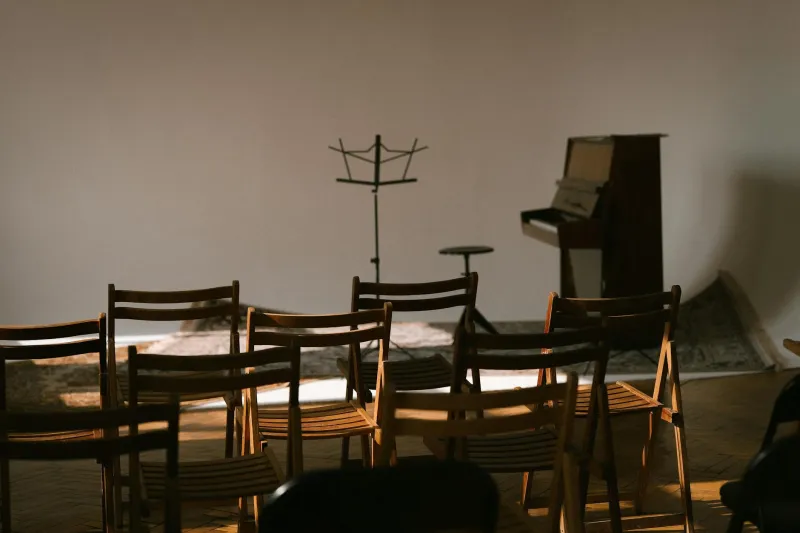
It's 8:30 PM on a Tuesday in Tottenham, and The Birdcage is hosting its weekly experimental session to an audience of precisely seven people. Three of them are in the band currently setting up. One's the sound engineer. Two are regulars nursing their second pint since opening time. The seventh is a confused punter who thought this was quiz night.
This is where British music gets interesting.
While weekend crowds demand familiar pleasures and Friday night energy, midweek residencies offer something infinitely more valuable: the freedom to fail spectacularly in front of people who've got nowhere else to be.
The Laboratory Principle
Every significant British musical movement started in rooms exactly like this. Not at festivals, not in packed venues, but in the dead zone between Monday's comedown and Thursday's anticipation. These slots don't pay the rent, don't attract industry scouts, and definitely don't trend on social media.
They do something more important: they provide laboratory conditions for genuine experimentation.
Consider the lineage: John Martyn developed his guitar-and-Echoplex style during midweek folk club residencies in the late '60s. Massive Attack's sound emerged from Monday night sessions at the Dug Out in Bristol. Radiohead's electronic period was workshopped during Tuesday night shows at Oxford's Zodiac.
The pattern repeats across decades and genres because the conditions remain constant: low pressure, familiar faces, and the luxury of extended exploration.
The Monday Night Mavericks
Jazz understood this first. While Saturday night demanded crowd-pleasers and Sunday afternoon called for background ambience, Monday night jazz sessions became Britain's most important musical education system.
Ronnie Scott's Monday residencies in the '60s weren't just performances — they were masterclasses. Musicians would show up to stretch out, try new material, and push boundaries without the pressure of entertaining tourists or impressing critics. The audience consisted entirely of other musicians, hardcore fans, and industry insiders who understood they were witnessing something special.
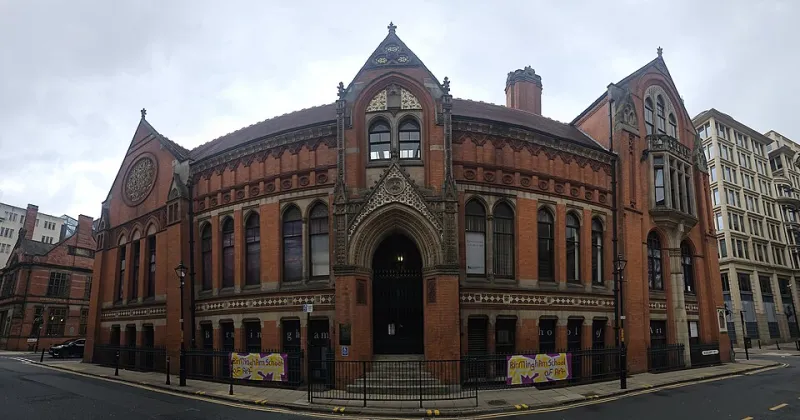
 Photo: Ronnie Scott's, via de.ohmytales.com
This model spread across genres. The Marquee Club's Tuesday R&B sessions launched careers and destroyed reputations in equal measure. The 100 Club's Wednesday punk matinees provided a testing ground for bands who weren't ready for weekend crowds but needed somewhere to develop their sound.
 Photo: The Marquee Club, via ai-girls-factory.com
The Experimental Underground
London's current experimental scene owes everything to midweek residencies that most people have never heard of. Café Oto's Tuesday improvisation sessions have been running for over a decade, providing a platform for musicians working at the absolute edges of what qualifies as music.
These aren't concerts in any conventional sense. They're sonic research projects conducted in real time, with audiences who understand they're participating in something closer to scientific investigation than entertainment.
Similarly, Total Refreshment Centre's Wednesday residencies have become legendary within London's jazz-adjacent scene. Musicians use these slots to test material that would clear a weekend room, developing the kind of challenging, uncompromising music that eventually influences everything else.
Regional Laboratories
Every British city has its own version of this phenomenon. Manchester's Band on the Wall has maintained its Tuesday experimental slot for decades, providing a platform for music that doesn't fit anywhere else. Glasgow's CCA runs Wednesday sessions that have incubated some of Scotland's most innovative sounds.
These venues understand something that corporate entertainment has forgotten: innovation requires space to fail. Weekend crowds want certainty — they've paid money, arranged babysitters, and committed their valuable free time. Midweek audiences are different: they're there for the journey, not the destination.
The Regulars
Every midweek residency has them: the core audience of five to fifteen people who show up regardless of who's playing. These aren't casual punters — they're music obsessives, fellow musicians, and industry veterans who understand they're witnessing history in the making.
This audience provides something invaluable: informed, constructive feedback in real time. Musicians can see immediately when something works, when it doesn't, and when it needs further development. It's focus group testing for people who actually understand music.
The relationship between performer and audience becomes collaborative. Musicians feel safe to take risks because they know the audience is invested in the process, not just the outcome.
Economic Realities
The brutal truth is that midweek residencies barely break even. Venues run them as loss leaders, understanding their cultural value even when the spreadsheets don't add up. Musicians play for travel expenses and a few pints, treating these gigs as investment in their artistic development.
This economic pressure is actually beneficial: it filters out anyone who isn't completely committed to the music. Only artists who genuinely need to explore their sound will accept midweek slots that pay in experience rather than cash.
Digital Disruption
Streaming culture threatens this entire ecosystem. Why struggle to an experimental session on a Tuesday when you can discover new music from your sofa? Why risk an evening of challenging, unfamiliar sounds when algorithms can deliver perfectly curated playlists?
The answer is that recorded music, no matter how innovative, can't replicate the laboratory conditions of live experimentation. Musicians need real-time feedback, genuine risk, and the possibility of spectacular failure that only live performance provides.
The Zoom Experiment
COVID-19 forced many residencies online, with mixed results. While some musicians thrived in the low-pressure environment of streaming to small audiences, others found that digital platforms couldn't replicate the intimate feedback loop of physical presence.
Interestingly, some venues discovered that online midweek sessions attracted international audiences of music nerds who would never have been able to attend in person. This hybrid model might represent the future: local laboratory conditions with global documentation.
Fighting for the Future
As property prices force venues to close and streaming reduces live music attendance, midweek residencies are becoming endangered species. This represents a genuine cultural crisis: we're losing the research and development wing of British music.
Saving these spaces requires understanding their true value. They're not failed weekend gigs — they're essential infrastructure for musical innovation. Every weird, wonderful, and completely uncommercial sound that emerges from British music has probably been workshopped in front of a handful of people on a quiet Tuesday night.
The Essential Emptiness
The empty room isn't a problem to be solved — it's a feature to be celebrated. Those seven people at Tuesday night's experimental session aren't a disappointing turnout; they're the perfect audience for genuine artistic exploration.
Britain's midweek musical laboratories have produced decades of innovation precisely because they operate outside commercial pressures. They provide something that no amount of streaming or social media can replace: the space to fail beautifully, learn quickly, and try again next week.
As long as there are musicians who need to push boundaries and venues brave enough to let them, Tuesday night will remain the most important night in British music. Even if nobody's watching.
Especially if nobody's watching.