Pitchy, Loud and Gloriously Ours: The Case for the Living Room Karaoke Machine

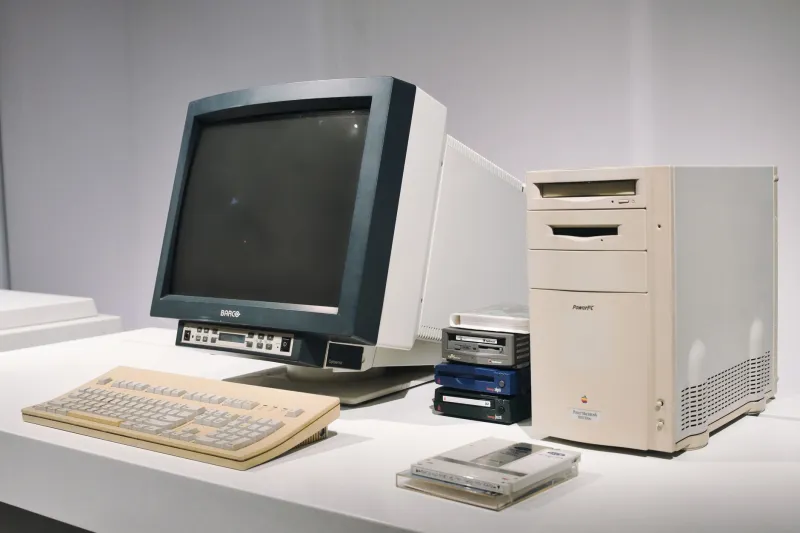
Photo: Acme66, CC BY-SA 4.0, via Wikimedia Commons
Let's get the confessions out of the way first. I cannot sing. This is medically, spiritually and acoustically established fact. And yet some of the most important musical experiences of my life happened through a microphone wired to a machine with a built-in echo, in a living room smelling of gravy, with my aunt screaming the key change of 'I Will Survive' like her life depended on it.
If you think that's a joke, you've missed the argument. So sit down, pour something, and let me defend the humble home karaoke machine — because it has done more for British musical participation than any institution currently issuing degrees.
The Only Stage With No Audition
Think about what a karaoke machine actually is, stripped of the irony. It's a device whose entire purpose is to make singing in front of other people less frightening. The lyrics are on the screen. The backing is provided. The echo flatters you. It is, structurally, the most generous musical instrument ever invented — a machine designed specifically to lower the barrier to entry to zero.
Compare that with basically every other route into music in this country. Lessons cost money. Instruments cost money. Grading systems sort the worthy from the unworthy by age eleven. The conservatoire pipeline is brilliant for the tiny fraction who make it through and irrelevant to everyone else. The karaoke machine asks none of those questions. It doesn't care if you're eight or eighty, pitchy or perfect, drunk or on your third cup of tea. It just says: go on then. You too.
Where the Nation Actually Learned to Sing
We like to mythologise where British music comes from — the church choir, the brass band, the youth club record player. All true, all important. But be honest about the living room. For decades, the place most people actually sang was at home, in front of family, and since the late eighties the engine of that tradition has been a plastic box with a mic and a screen.
The repertoire alone is a folk archive. The karaoke machine is where the great British songbook got transmitted across generations — your nan doing the Shirley Bassey numbers, your dad mangling the entire back catalogue of thePub Rock era, the kids butchering whatever the charts were doing that week, everyone meeting in the middle on the choruses everyone knows. That's not passive consumption. That's a repertoire being handed down, the way ballads used to be.
And crucially: it's funny. The karaoke machine is hoarse with laughter by design. It takes the terror out of performance by making failure the default and the entertainment. Nobody at a karaoke machine is judging you the way an examiner would. They're waiting for the chorus so they can join in badly too.
In Defence of Pitchy
The tech snobs have always hated it, of course. Auto-Tune made it unfashionable, streaming made it redundant, and the whole concept got filed under 'naff' somewhere around the second series of reality TV talent shows. But that snobbery misses what the machine actually teaches: that music is something you do with your mouth and your nerve, not something you need permission for.
Every kid who grabbed the mic at a family do and got a cheer for a terrible rendition learned the same lesson every performer eventually pays tuition to learn: the audience wants you to succeed, and being brave matters more than being perfect. Some of them will go on to stages. Most won't. All of them will be at the gig, singing along, feeling ownership of the song — because they've been inside a song, in front of witnesses, and survived.
That's participation. That's culture. And it happened in a living room with a machine you can pick up second-hand for a tenner.
So the next time someone sneers at the karaoke machine — the tacky graphics, the echo, the endless 'Sweet Caroline' — remember what's actually going on around it. A nation of self-declared non-singers, singing. Pitchy, loud and gloriously ours.
The conservatoire can keep the funding. We'll keep the front room.