Ghost Venues: The British Music Rooms That Only Ever Existed on Photocopied Flyers
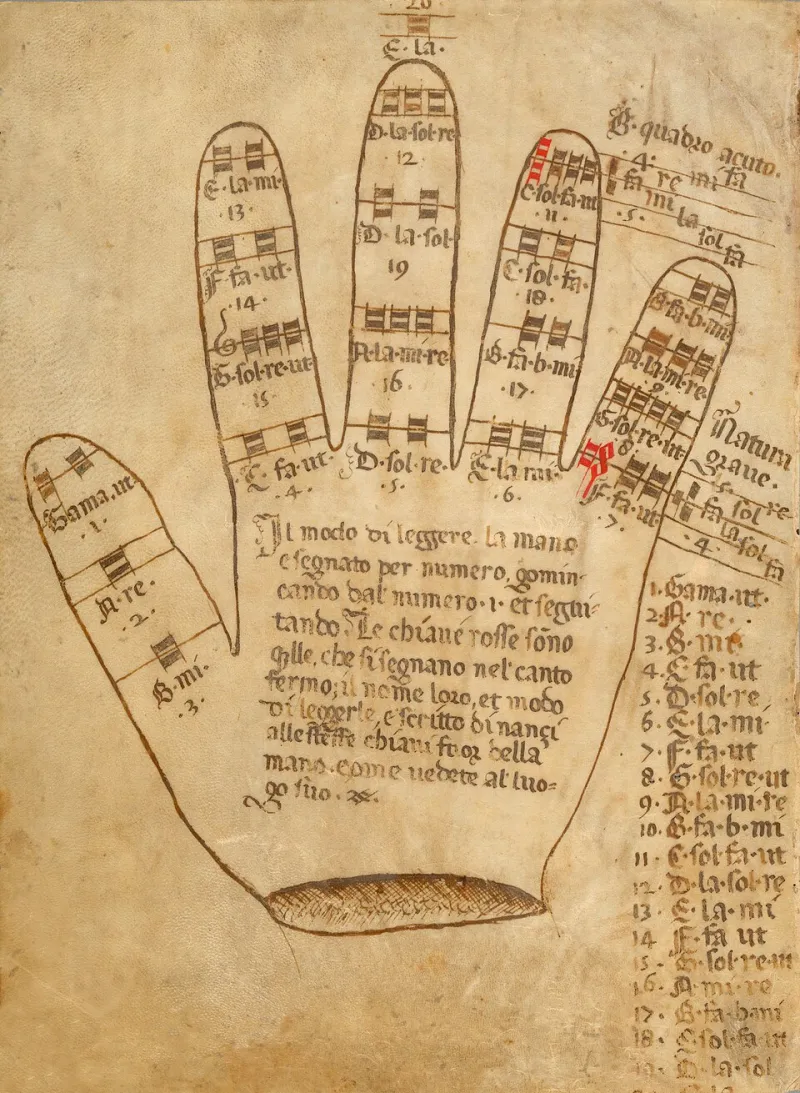
Photo: Unknown authorUnknown author, Public domain, via Wikimedia Commons
There's a flyer in a box somewhere in Leeds. Photocopied at a slightly wonky angle, probably on a library machine after hours, slightly smeared on the left-hand margin where the lid wasn't pressed down properly. It advertises a night — let's call it what it was, a rave — at somewhere called The Grange Rooms, some Saturday in 1992. Entry two quid, bring your own water, no cameras.
The Grange Rooms does not appear in any council planning database. It has no listing on any venue directory, past or present. There is no review of any event held there in any local or national publication. It exists, in the entire documented record of human activity, solely on that flyer — and on a handful of others like it, held by people who were there and have never quite got round to throwing them away.
And yet something happened there. Something that mattered enough to someone that they spent an evening hunched over a photocopier making two hundred copies of a badly designed flyer, then spent the next week pushing them through letterboxes and leaving them in record shops and tucking them under windscreen wipers in car parks. Something real occurred in that room. It just left almost no trace.
The Archaeology of the Unofficial
British music history is, in its official form, a history of documented spaces. The Marquee Club. The Haçienda. The Cavern. The 100 Club. These venues survive in the record because they were significant enough to attract journalists, significant enough to be reviewed, significant enough to eventually become heritage sites with blue plaques and guided tours.
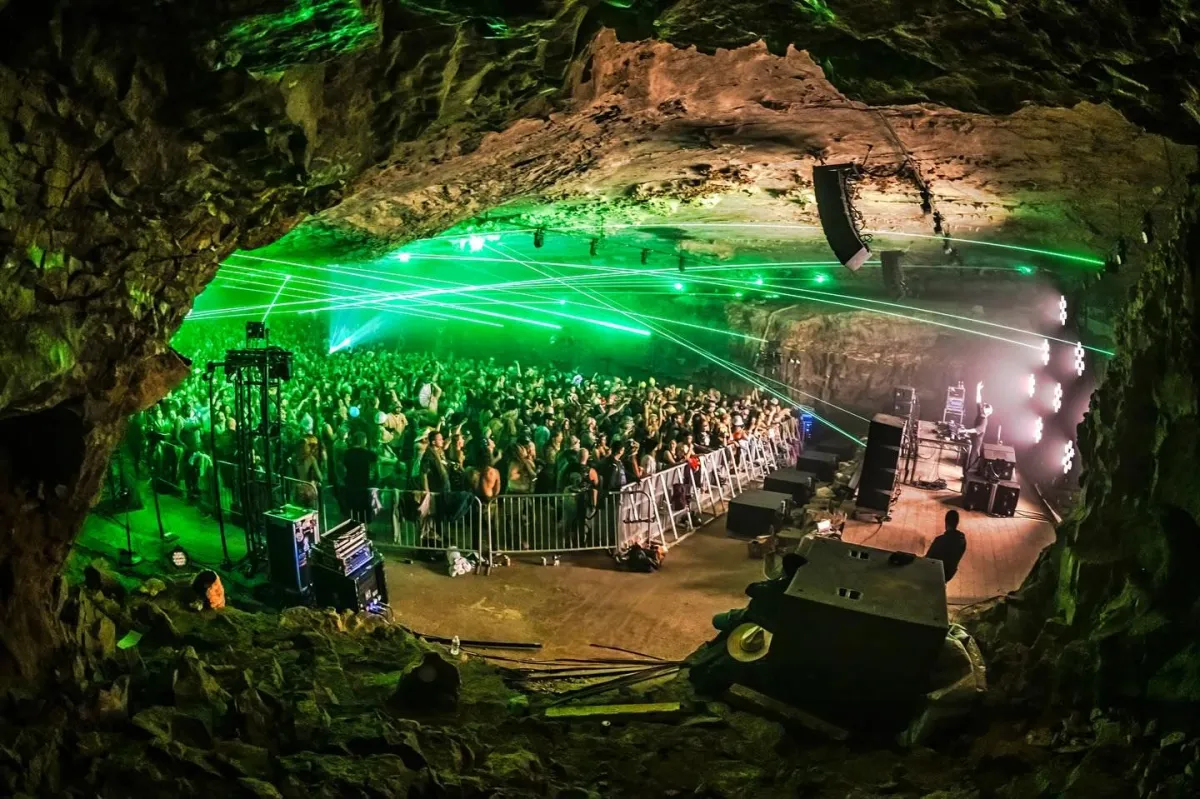 Photo: The Cavern, via static.spacecrafted.com
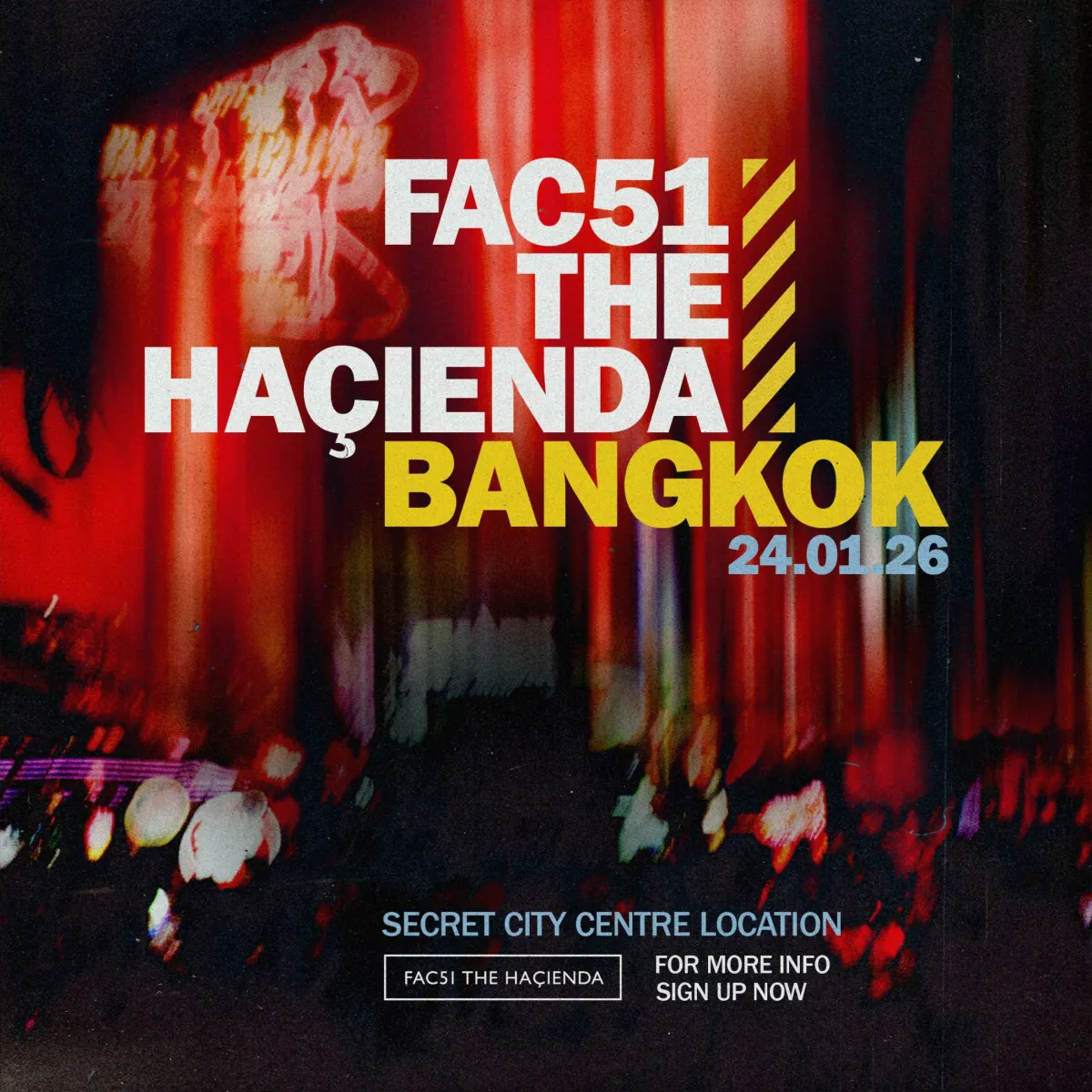 Photo: The Haçienda, via fac51-thehacienda.com
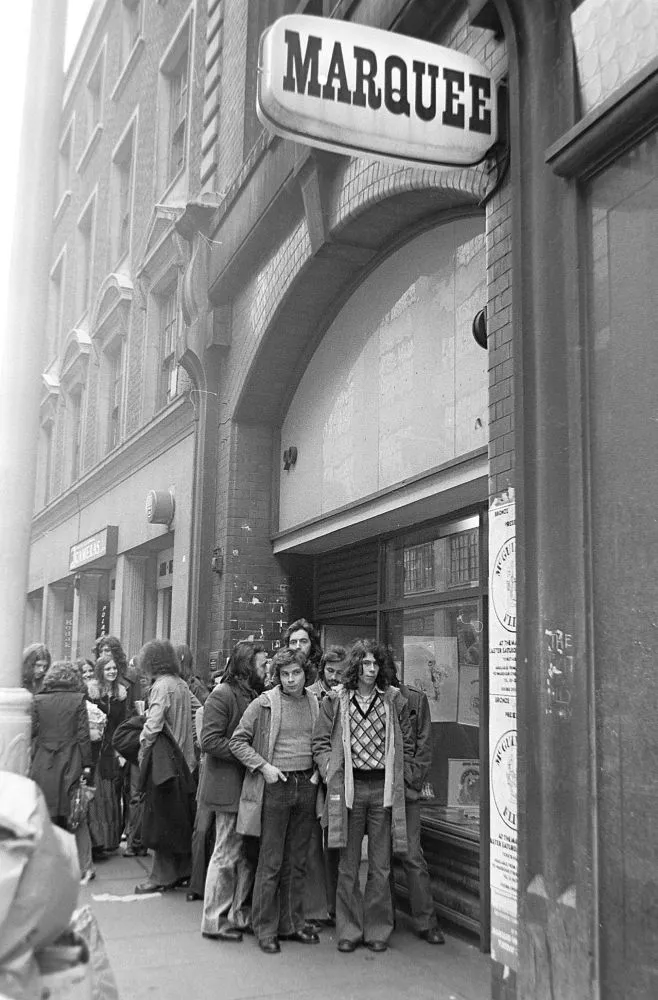 Photo: The Marquee Club, via i.pinimg.com
But for every venue that made it into the history books, there are dozens — hundreds, possibly — that operated entirely beneath the threshold of documentation. Social clubs that unlocked their back rooms on Saturday nights and didn't ask too many questions. Church halls rented by the hour to promoters who promised to leave the place tidy. Working men's clubs that hosted one extraordinary night and then went back to bingo the following week, with nobody ever connecting the two events.
These spaces are the archaeological dark matter of British music history. We know they existed because the flyers survive. We know things happened in them because people who were there are still alive and still remember. But the rooms themselves left almost nothing behind.
What Flyers Actually Tell Us
The photocopied flyer is, in many ways, the most democratic document in British music history. It required no editorial gatekeeping, no advertising budget, no relationship with a PR company. Anyone with access to a photocopier and something worth publicising could produce one. And because they were produced in quantity and distributed physically, enough of them survived the subsequent decades to constitute a genuine archive — albeit a chaotic, incomplete, geographically scattered one.
What the flyers reveal, when you start collecting and comparing them, is a shadow geography of British music that runs parallel to the official map. There are clusters of venues in towns that the music press never visited, hosting nights that developed their own loyal followings and their own distinct sounds without ever attracting outside attention. There are one-off events in spaces so unlikely — a scout hut in Northampton, a snooker club in Swansea, a decommissioned railway goods shed in Gateshead — that their existence as music venues seems almost hallucinatory.
The flyers also reveal the promotional ecosystem that sustained all of this. Record shops as distribution points. Barbers and hairdressers as intelligence networks. The informal economy of favour and reciprocity that kept the whole thing running without any of the infrastructure that the official music industry took for granted.
The Rooms That Made the Music
Here's what gets lost when we focus on the documented venues: the physical character of the unofficial spaces was often central to the sound made in them. A night held in a social club function room — with its particular acoustic properties, its low ceilings, its carpet that hadn't been cleaned since 1974, its bar that closed at eleven regardless of what was happening on the dancefloor — sounded and felt fundamentally different from the same music played in a purpose-built club.
That difference wasn't a deficiency. It was a feature. The constraints of the space shaped the experience, which shaped the music, which shaped the scene. The intimacy of a room that could hold a hundred and fifty people maximum created a different relationship between performers and audience than any larger venue could. You were close enough to see the sweat, close enough to have a conversation in the gaps between tracks, close enough to feel like you were genuinely inside the music rather than observing it from a safe distance.
Some of the most significant nights in British music history happened in rooms like this. The audience that witnessed them knew, at the time, that something extraordinary was occurring. The lack of documentation doesn't diminish that. It just makes it harder to explain to people who weren't there.
The Survivors and the Searchers
There are people — bless them, every one — who have dedicated serious amounts of time to tracking down these ghost venues. Flyer collectors who cross-reference dates and addresses against council records, trying to establish what a particular space actually was. Local historians who've interviewed ageing promoters and regulars, trying to reconstruct nights that happened thirty years ago in rooms that have since been converted into flats or demolished entirely.
The results of this work are scattered across personal websites, Facebook groups for regional music scenes, occasional pieces in local newspapers. It's never been consolidated into anything approaching a comprehensive record, partly because the subject resists consolidation — the ghost venue archive is, by its nature, fragmentary and incomplete — and partly because the people doing the work are doing it for love rather than funding.
What emerges from these scattered fragments is a picture of British music culture that's simultaneously more democratic and more ephemeral than the official history suggests. The great moments weren't always in the great venues. Sometimes they were in a back room above a chip shop in Wolverhampton, at a night that ran for three months and then stopped, attended by two hundred people who never forgot it and never quite managed to explain it to anyone who wasn't there.
Why the Ghosts Matter
There's a temptation to treat the ghost venue as a romantic curiosity — a charming footnote to the real history happening in the documented spaces. That's exactly backwards. The unofficial rooms were where British music did its actual developmental work, away from industry attention, away from critical scrutiny, away from the pressures that come with visibility.
The scenes that eventually broke through — and not all of them did, or needed to — were incubated in spaces like these. The audiences that formed in back rooms and social clubs and church halls were the audiences that subsequently shaped the broader culture. The sounds that developed in rooms with no soundproofing and borrowed PA systems were the sounds that eventually ended up in studios and on records.
And for every scene that broke through, there were others that didn't — that flourished in their unofficial spaces and then quietly dispersed when the rooms became unavailable or the moment passed, leaving nothing behind but the flyers.
The Nutty Traxx Verdict
If you've got flyers — the older and more obscure the better — please don't throw them away. Don't let them yellow in a box forever either. The ghost venue archive needs curators, and the history it contains is genuinely irreplaceable.
British music's most important rooms were often the ones that left the lightest footprint. The music that happened in them was real, and it mattered, and it deserves better than to exist only in the memories of the people who were there and the smudged ink of a badly photocopied piece of A5.
Somewhere right now, a new ghost venue is hosting its first night. Someone is designing the flyer. The room will be gone before anyone thinks to document it. That's fine. That's always been how this works.