Petrol Station Prophecies: The Baffling Budget Compilations That Accidentally Documented British Pop
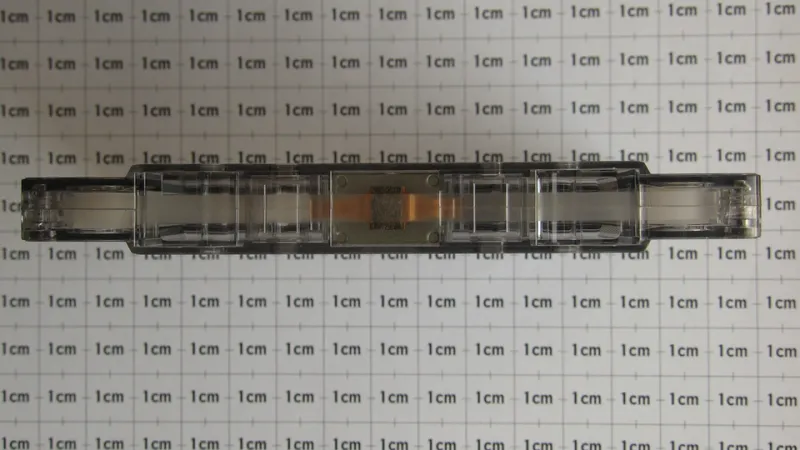
Photo: Brtkr, CC BY-SA 4.0, via Wikimedia Commons
There is a very specific kind of cassette tape that exists in the collective British unconscious. You know the one. Slightly warped plastic shell, a font that was clearly designed on a budget of fourpence, and a tracklisting that makes absolutely no sense — like someone had emptied a bingo tumbler full of song titles and just gone with whatever came out. These tapes lived in petrol station spinner racks, motorway service areas, and the back shelves of newsagents that smelled faintly of old carpet. They cost less than a packet of crisps. Nobody bought them on purpose.
And yet. Here we are, thirty-odd years later, and a growing community of very dedicated, possibly unhinged collectors are hunting these things down with the same intensity usually reserved for rare pressings and limited-edition 12-inches. Welcome to the weird, wonderful, and genuinely illuminating world of British budget compilation tape archaeology.
The Accidental Archive
The thing about these tapes — released under labels with names like Pickwick, Hallmark, Warwick, and the magnificently no-nonsense K-Tel — is that nobody involved in making them thought they were doing anything culturally significant. They were product. Filler. Something to stick next to the Polo mints and the AA road maps.
But here's the twist: precisely because nobody cared, nobody curated them either. There was no A&R vision, no brand strategy, no demographic targeting. What you got instead was a genuinely accidental cross-section of whatever was floating around the British pop ecosystem at any given moment — chart hits rubbing shoulders with forgotten novelty records, dodgy synth covers sitting alongside genuine one-hit wonders, regional oddities squeezed between songs that somehow made the Top 40 twice and then vanished entirely.
Collectors like Manchester-based Donna Keighley, who runs the Tape Archaeology blog and has amassed over four hundred of these compilations, argue that this randomness is precisely the point. "No music director would ever have put these tracks together intentionally," she says. "But that's what makes them so honest. They're a portrait of British pop culture in the way that a skip outside a house clearance is a portrait of someone's life. Messy, contradictory, and somehow more truthful than anything deliberately assembled."
The Sounds Nobody Remembers Forgetting
Dig into one of these tapes and you start to understand what Donna means. A typical early-90s budget comp might open with a serviceable cover version of a hit single — these labels often couldn't afford the original recording, so they'd hire session musicians to knock out a near-enough replica — then pivot without warning into something genuinely peculiar. A spoken-word interlude. A children's choir covering a song that definitely wasn't written for children. An instrumental version of a track that had absolutely nothing to gain from becoming instrumental.
The cover versions are their own rabbit hole entirely. These weren't the polished soundalike recordings you might expect. Budget constraints meant that session singers often brought their own interpretations to the material, sometimes accidentally inventing new arrangements that were stranger and more interesting than the originals. There's a whole subcategory of collectors who focus exclusively on these accidental reinventions — tapes where the limitations of the format produced something that sounds, in retrospect, genuinely avant-garde.
Steve Pullman, a retired teacher from Bristol who has been digitising his collection and uploading it to an online archive, puts it bluntly: "Some of these covers are terrible. But terrible in a way that's fascinating. You can hear the session singer trying to work out what the song is actually about, and sometimes they get it completely wrong, and that wrong interpretation becomes the definitive version in your head."
The Digital Resurrection
What's changed in recent years is that these tapes are no longer just curiosities mouldering in charity shop bins. A loose network of digitisers, bloggers, and online archivists has been systematically working through collections, converting cassettes to digital files, and sharing them via dedicated forums, social media groups, and streaming-adjacent platforms. The results are genuinely surprising.
Some of these uploads have accumulated thousands of plays from listeners who weren't born when the tapes were made. There's a generation of younger music fans who have come to these compilations without any nostalgic attachment and found them fascinating on purely sonic terms — as documents of a production aesthetic, a cultural moment, and a commercial ecosystem that no longer exists.
The community around this archiving project is, predictably, wonderfully eccentric. There are fierce debates about the relative merits of different budget labels, passionate arguments about whether certain cover versions constitute legitimate artistic statements, and an ongoing collaborative effort to identify musicians who played on sessions that were never credited on the original releases.
Why It Matters More Than You'd Think
Here's the thing that keeps nagging at you the longer you spend in this world: these tapes were genuinely democratic in a way that contemporary music platforms, for all their algorithmic sophistication, aren't.
They reached people who weren't actively seeking out music. Families on motorway journeys, commuters killing time, kids in the back of cars who had no say in the matter. The music arrived uninvited and unannounced, and sometimes it stuck. A generation of British music listeners had their tastes shaped, at least in part, by the random contents of a cassette their dad bought at Watford Gap services in 1987.
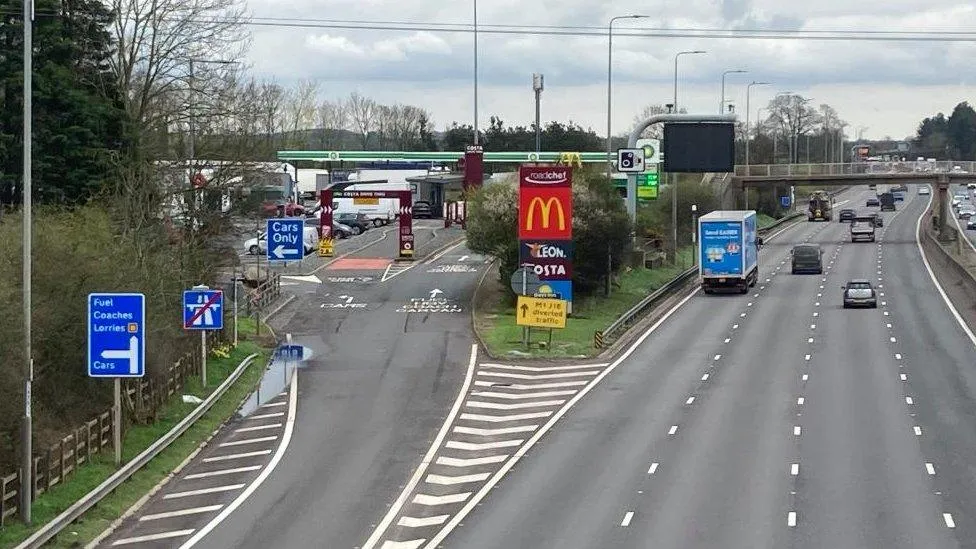 Photo: Watford Gap, via ichef.bbci.co.uk
That's not nothing. In fact, that's arguably more interesting than a carefully curated playlist that only ever confirms what you already like. These tapes pushed stuff at you sideways. They were weird, inconsistent, occasionally terrible, and completely unpredictable. Which, when you think about it, sounds a lot like what good music discovery should feel like.
The charity shops still have them, by the way. Next time you're rifling through the shelves, don't walk past that battered cassette with the inexplicable cover art and the tracklisting that makes no sense. Pick it up. It might be the most honest document of British pop culture you'll ever hold in your hands.